

Resilience and partnership in flood-hit Mozambique

When flooding hit Gaza in southern Mozambique in January 2026, our READY+ programme stepped in to sustain HIV care for young people and their families. The floods came fast. In Chókwè District, families were trapped on rooftops, roads became impassable overnight and health facilities were damaged. And for young people living with HIV, this also meant being cut off from lifesaving medication.
Severe flooding in January 2026 affected more than 600,000 people, displacing thousands of families and disrupting access to essential services, including healthcare. Districts along the Limpopo River basin, such as Chókwè and Xai-Xai, were among the hardest hit. Homes, crops, and health facilities were damaged, and many families lost their livelihoods overnight.
For young people on the READY+ programme, the disaster brought an additional, invisible threat: being cut off from HIV treatment.
Swift response
Frontline AIDS’ READY+ programme quickly mobilised an emergency response to support adolescents, young people and their families affected by the disaster.
We were left without food, surrounded by water, not knowing if we would survive.Adélia Baloi, READY+ progamme participant
Peer supporters play a vital role in the READY+ programme by providing care and support to help other young people adhere to their HIV treatment. But during the floods, home visits stopped abruptly because of safety concerns and accessibility constraints due to damaged roads and health facilities.
“The floods washed away everything from my house—my clothes and all my belongings were lost,” says Adélia Baloi, a READY+ progamme participant from Chókwè District. “We were left without food, surrounded by water, not knowing if we would survive. But the saddest thing the floods brought us was the death of my cousin. Those waters took my cousin, and that was the most painful part, because everything else we can recover, but not his life.”
Some young people also lost their treatment cards, a unique identification document which they must present to collect medicine from the health facilities. Many young people risked losing access to services or face-to-face care. Other young people were temporarily displaced.
Peer supporters from Chókwè District shared some of the challenges reaching their clients. “It was difficult because I could not access many of them [clients], but I managed to contact a few through their mothers’ phone numbers, advising them to leave danger zones and go to safe centres,” says Eulalia Hilario, a peer supporter and resident of Chókwè District.
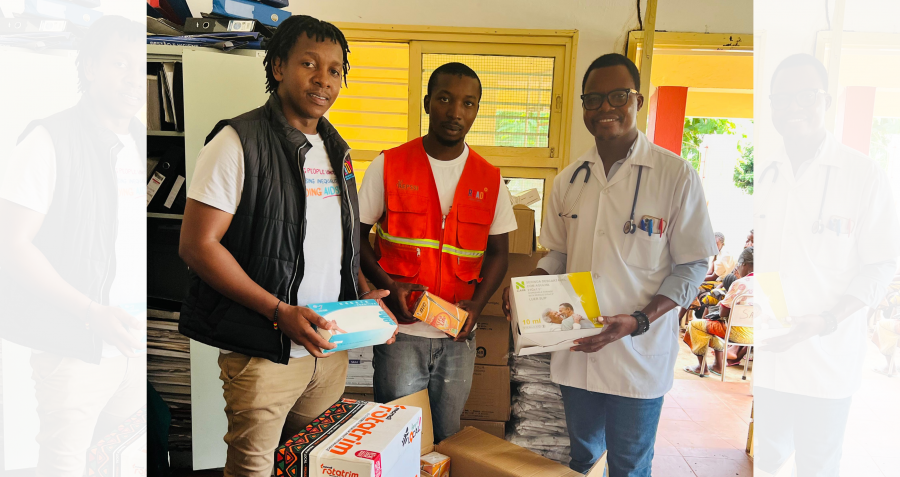
REPSSI, our project partner in Mozambique, worked closely with local authorities and other community organisations to restore activities, despite the significant disruption. Jointly, they distributed food and hygiene kits to young people affected by the floods, provided direct support to affected peer supporters and clinical supplies to damaged health facilities.
It was difficult because I could not access many of them [clients], but I managed to contact a few through their mothers’ phone numbers, advising them to leave danger zones and go to safe centres.Eulalia Hilario, READY+ peer supporter
With their help, peer supporters, like Eulalia, continued to care for their clients. “I took them to the health facility to collect their medication. I was always concerned about maintaining contact so that they could continue taking their medication and stay safe.”
REPSSI also extended support to young people and families not connected to the programme, ensuring that several families received emergency assistance.
Rebuilding after the floods
The floods also revealed how crises can deepen existing vulnerabilities. Eight peer supporters in the programme lost their homes and personal belongings, while several project participants and their families experienced severe economic losses and emotional distress. “The floods caused a lot of damage in my life; I lost all my belongings,” said Eulalia. “I still do not have a safe home to live in with my family [my grandmother and younger siblings].”
Beyond immediate relief, the programme is now strengthening psychosocial support and community outreach to help families recover and restore access to care.
The impact of climate change
The flooding in southern Mozambique was not an isolated event. Mozambique is among the countries most exposed to the intensifying effects of climate change, with the Limpopo basin increasingly vulnerable to severe seasonal flooding. For communities already living with health inequalities, each new crisis compounds the last.
What the READY+ response shows is that the role of peer supporters and community-based care is becoming more critical to keep people linked to lifesaving HIV services during crises.
Miguel Osorio is an Advisor: READY programmes at Frontline AIDS. READY+ is part of a portfolio of programmes designed to build Resilient and Empowered Adolescents and Young people (READY). All READY programmes place adolescents and young people at the centre of design, delivery, monitoring and evaluation. The READY Movement is a coalition that supports young people in all their diversity to demand their right to a healthy life, led by the Global Network of Young People Living with HIV (Y+ Global) with support from Frontline AIDS and its partners.