

Malawi’s civil society is shaping health systems that last

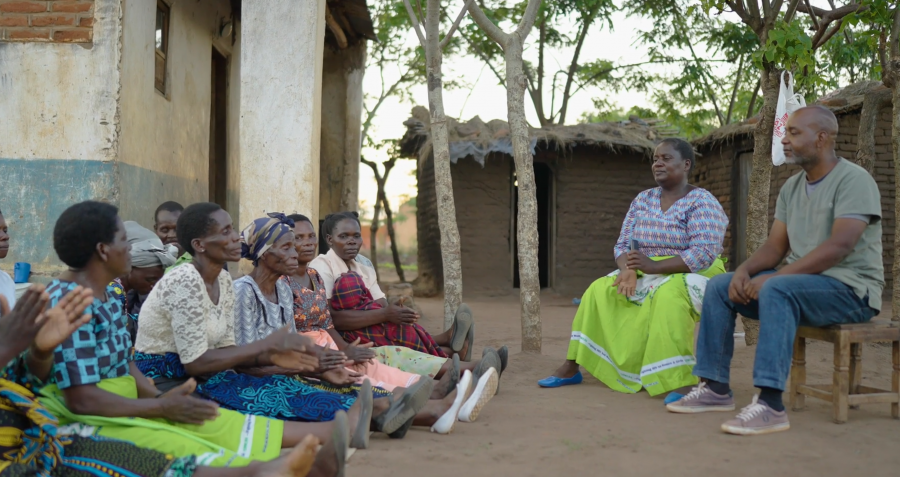
Malawi’s coalition of civil society and community-led organisations, supported by Frontline AIDS’ Transition Initiative, is ensuring they have a voice in shaping sustainable, nationally-owned health systems.
Last year’s devastating health funding cuts left Malawi without essential healthcare services. Health clinics and community outreach services closed, leaving nearly a million people living with HIV without access to lifesaving care.
A new film from Frontline AIDS explores the impact of shifting donor priorities on the country’s HIV response, and how its civil society and community-led organisations are responding.
“This film highlights how last year’s funding cuts threaten HIV treatment and prevention in Malawi,” says Simon Sikwese, Executive Director, Pakachere, a Frontline AIDS partner in Malawi and the coalition’s lead. “Key populations who bear the highest HIV burden are losing access to safe, key population-friendly services through drop-in centres.”
Simon warns the consequences will be long-lasting : “With public facilities unequipped to provide specialised care, the risk of new HIV infections will remain dangerously high, even with breakthroughs like lenacapavir, [a form of long-acting pre-exposure prophylaxis], if service access is lost.”
Malawi’s new funding approach is to ask donors to support rather than to underpin its national health response.
This approach is backed by members of Malawi’s civil society. “We have to be in the leading role and the donors should just come in to support where we have the gaps,” urges Edna Thembo, a coalition member from the Coalition of Women Living with HIV in Malawi.
BOLD STEPS TOWARDS HIV INTEGRATION
“We are in the long-term sustainability phase whereby HIV is being institutionalised into the healthcare system,” says James Njobvuyalema, HIV Prevention Manager, National AIDS Commission, Malawi.
When HIV care is woven into general health services, people can access treatment without being singled out or stigmatised; they navigate fewer separate clinics and receive more joined-up care for HIV.
Launched in May 2025, the Transition Initiative strengthens national community and civil society leadership, holds governments to account and positions communities as meaningful partners in designing and delivering their health systems.
The civil society coalition, with support from Frontline AIDS, is working closely with the government of Malawi to ensure HIV care is integrated successfully to improve care across the broader health system, including services for marginalised communities, such as sex workers and men who have sex with men.
BUILDING ON COMMUNITY EXPERTISE
Malawi’s coalitions are not starting from scratch. They’re building on decades of experience forged building the country’s HIV response.
We have been together on this journey from the onset of HIV up to now and we have made progress because of the involvement of civil society organisations.Simon Sikwese, Executive Director, Pakachere, Malawi
For years communities had to navigate stigma, legal barriers and hostile governments to secure access to treatment and build services where none existed. That work created the relationships, trust and civil society infrastructure that now positions coalitions like this one to lead a broader health system transformation.
“We have been together on this journey from the onset of HIV up to now,” adds Simon. “And we have made progress because of the involvement of civil society organisations.”
“Malawi’s civil society organisations and community networks are not waiting to be saved. They are working alongside government to build health systems that last, drawing on decades of hard-won trust and knowledge,” says Eolann Mac Fadden, Senior Advisor: Sustainable and Inclusive Health Systems. “What we are seeing in Malawi becomes possible when governments, civil society and communities work together as genuine partners with communities, helping to shape the systems that serve them.”
Read more about the Transition Initiative.