

Community action on rights protects Global Fund programmes

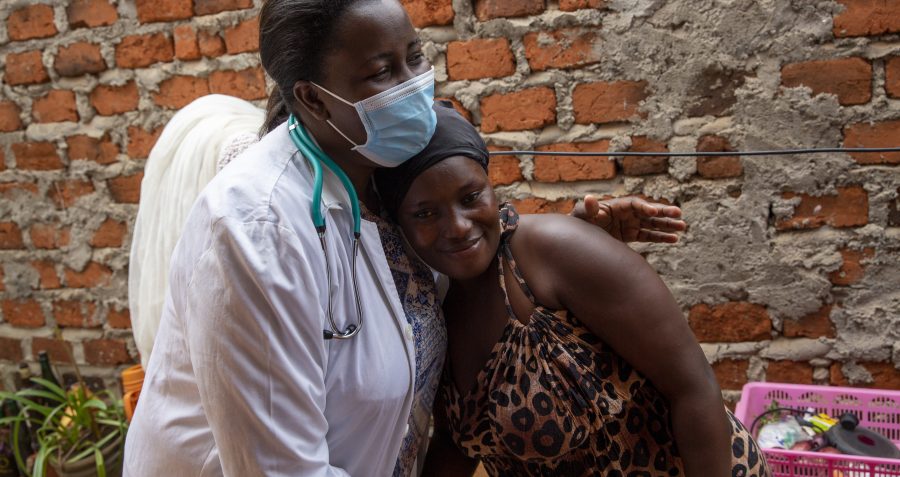
A devastating cut to foreign aid left the Global Fund with a funding shortfall and a race to keep services open.
In 2025, the Global Fund was forced to cut approximately 11% from grants across its portfolio, a reduction of around US$1.43 billion. Without meaningful community engagement, the services most likely to disappear were those that served the people who are most often stigmatised and excluded: key populations, adolescent girls and young women, LGBTQ+ communities, sex workers and people who use drugs.
Frontline AIDS was asked by the Global Fund’s Community, Rights and Gender Team to provide technical assistance across nine countries, mapping and convening community stakeholders, conducting rapid desk reviews, and mentoring community representatives to engage effectively in the formal process.
Human rights and gender activities were not only preserved but strengthened. Advocacy really paid off, and the technical support we received strengthened our arguments, clarified our priorities, and helped us secure the reinstatement of the HIV stigma study, which is a critical tool for removing the barriers that stop people accessing services.
The results showed what organised, supported civil society can do. Here are some examples:
- In Chad, over €1.9 million in civil society funding was reinstated and essential community interventions preserved.
- In Niger, communities entered negotiations with clear positions and evidence, leaving with €1.79 million for HIV and €60,973 for TB reinstated, full approval of a redesigned €194,311 community-led monitoring budget, and not a single priority lost.
- In Uganda, following earlier PEPFAR disruptions, civil society secured retention of PrEP services and of programmes for adolescent girls and young women and trans people, plus an additional $250,000 for five community drop-in centres.
- In Kenya, partners successfully defended “priority life-saving activities” against a 13.2% funding cut, protecting essential services for key and vulnerable populations.