

Cameroon: turning evidence of human rights violations into action

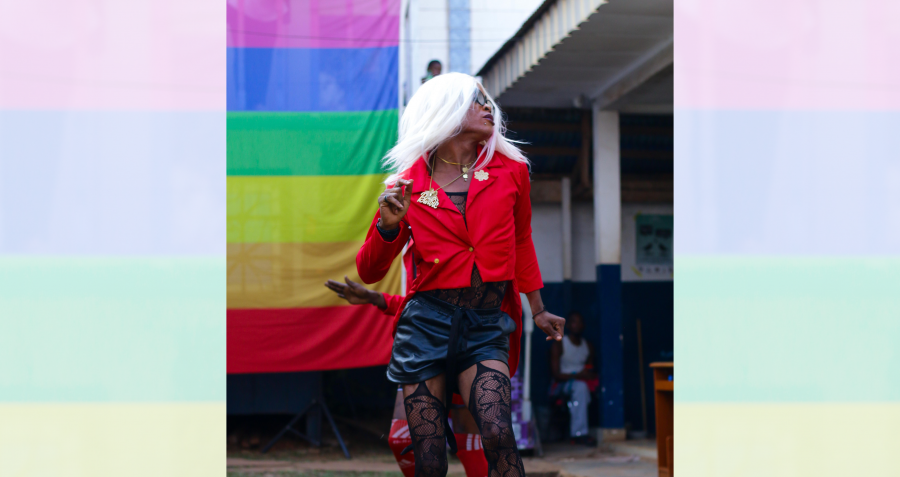
In Cameroon, same-sex relationships are criminalised and LGBTQ+ people are often stigmatised and attacked. Our partner the Cameroonian Foundation for AIDS (CAMFAIDS) has spent years building the evidence base and relationships needed to shift how the state engages with sexual minorities.
Frontline AIDS’ REACh programme, which combines emergency response, community-led monitoring and advocacy, has supported CAMFAIDS to develop the tools and capacity to respond to human rights violations and advocate for wider change.
Using our unique human rights documentation system REAct, CAMFAIDS recorded 456 cases of human rights violations, providing direct support to 301 people and referring 302 to other services. Twelve survivors were housed in the CAMFAIDS shelter, receiving counselling and support for social and professional reintegration; four found employment.
Emergency funding enabled CAMFAIDS to secure the release of eight survivors from detention and, for the first time, to assist a trans woman who had been violently attacked to obtain asylum in Belgium, where she could safely remain. That intervention also strengthened CAMFAIDS’ credibility with international institutions, including the Belgian embassy, and this is also translating into institutional recognition within Cameroon.
camfaids: the only organisation representing sexual minorities
Since October 2024, CAMFAIDS has been invited to monthly Ministry of Health civil society meetings and added to the Ministry’s information-sharing channels, as the only organisation at the table representing sexual minorities.
In July 2025, the Ministry of Women’s Empowerment officially recognised men who have sex with men (MSM) and trans people as priority groups in the national HIV response. The forging of these alliances marks an important step towards more equitable access to HIV services, and could play a key role in protecting communities from rising anti-rights mobilisation in Cameroon and across West Africa.
We’re proud that CAMFAIDS is now recognised by the Ministry of Health as a flagship organisation for its work and that our views are taken into account during strategic meetings.Ebenezer Munkam, Director of Human Rights, CAMFAIDS