

Building resilience in conflict-hit Lebanon

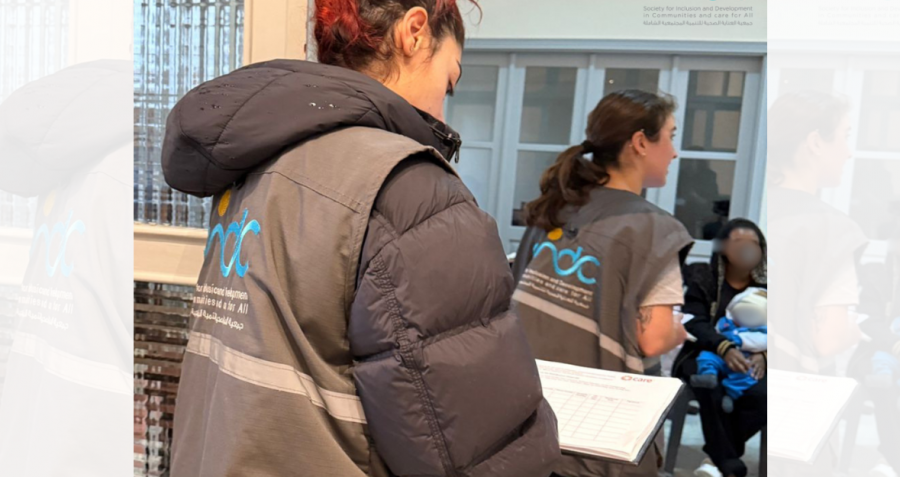
Ongoing and escalating conflict in the Middle East has impacted Lebanon hard. Frontline AIDS has raised awareness of the crisis and helped connect our partner Society for Inclusion and Development in Communities and Care for All (SIDC) with humanitarian funding.
Following a renewed outbreak of conflict between Israel and Hezbollah in 2024, over one million people have been displaced. The country faced a critical shortage of antiretroviral (ARV) medications, threatening continuity of treatment for people living with HIV. As a result, newly diagnosed HIV-positive patients were not being enrolled into treatment and dispensing was limited to one-month supplies.
Frontline AIDS responded by advocating with UNAIDS, the WHO, relevant Lebanese Ministries and the Global Fund, ensuring officials were aware of the looming crisis. The Global Fund committed to exceptionally cover Lebanon’s ARV supply until the end of 2025.
crises deepen vulnerability to hiv
We know crises deepen vulnerability to HIV and that connecting partners to humanitarian funding can help sustain programming for vulnerable populations when it’s needed most.
That’s why Frontline AIDS brokered a strategic relationship between Christian Aid and one of our partners in Lebanon, Society for Inclusion and Development in Communities and Care for All (SIDC) in 2024, securing funding for it to provide humanitarian support and relief to refugees and other vulnerable populations and to strengthen resilience.
Frontline AIDS also supported SIDC and its partners develop a Resource Mobilisation Plan, helping them receive 11 additional funding grants and allowing SIDC to nearly double its budget.
We don’t know what will happen tomorrow, or even in one hour or in two hours. …but it will be okay. The people of Lebanon are full of life and always have been. We still have hope, and we are resilient. Nadia Badran, SIDC Executive Director and President at the Social Workers’ Syndicate in Lebanon.