

Lebanon: People are running for their lives – but we’re staying

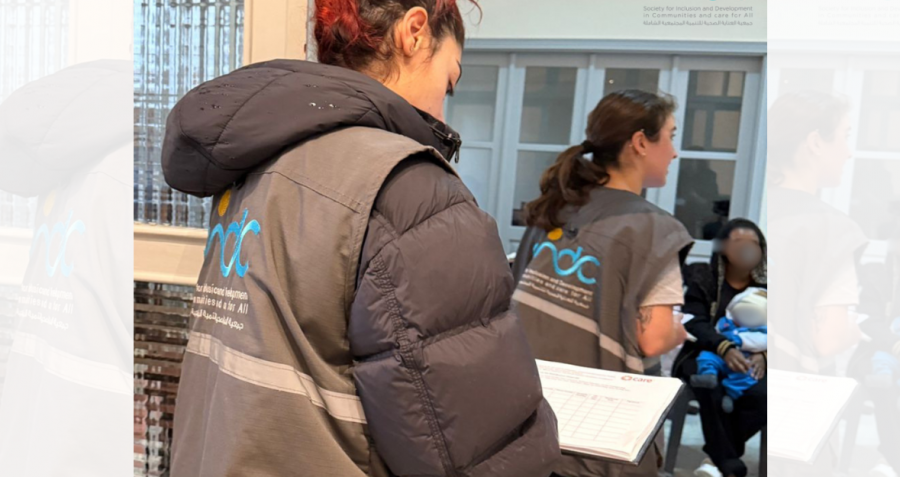
As war forces over a million people from their homes in Lebanon, SIDC, a Frontline AIDS partner, is standing with communities: maintaining HIV treatment, harm reduction and mental health services for the communities most at risk. But without direct, flexible funding, the lifeline they provide is under threat, says Nadia Badran, Executive Director, SIDC.
We are exhausted beyond words, but we are back again on the frontline of a war that has driven one in five people from their homes to seek shelter from the latest Israeli bombardment. Over 1,000 lives have already been lost.
For those of us at the Society for Inclusion and Development in Communities and care for All (SIDC), the situation feels heartbreakingly familiar. Attacks began on Lebanon in 2023, forcing hundreds of thousands of people into shelters, squeezing in with families, friends or finding what cover they can in public squares. They are hungry, need healthcare and, above all, to feel safe again.
HIV, TB and other infectious diseases will thrive in this chaos. Stopping this and supporting those people is SIDC’s mission and work now.
Deepened risks to already vulnerable communities
The current crisis poses multiple protection and health risks for marginalised communities. We are worried to see already vulnerable people exposed to more violence, exploitation and abuse when they are displaced. We see the toll this is taking on people’s mental health and the lack of proper services to support people in acute mental health crises.
With government hospitals being targeted by bombing and often unable to offer stigma-free care for people, we are the ones testing, offering treatment and access to reproductive health services.
We are tracking public health issues such as HIV and TB through testing programmes. We know how stigmatising an HIV diagnosis can be. We have seen people ejected violently from shelters when other people discovered they were living with HIV. LGBTQ+ people and people who use drugs have experienced similar treatment.
We also know the government are doing their best but it is civil society who are really holding the line on these basic health issues. With government hospitals being targeted by bombing and often unable to offer stigma-free care for people, we are the ones testing, offering treatment and access to reproductive health services. We are worried that precious commodities like HIV medication will run out in the coming weeks and we have endured stock-outs before and know what this means for our clients.
When someone rapidly stops Opioid Agonist Therapy (OAT), a medical treatment to help reduce drug dependency safely, the consequences can be agonising and sometimes fatal. When someone living with HIV misses their antiretroviral medication, the virus regains strength and people could become resistant to medication.
For more than 30 years, SIDC has supported vulnerable Lebanese and non-Lebanese communities through dignified, accessible and inclusive services. Our emergency response this time is built around three pillars—health, social protection and human rights.
Keeping people alive, safe and supported
SIDC is maintaining lifesaving services, including sexual and reproductive health services, HIV prevention as well as vaccinations for other conditions. This support becomes even more critical as stigma and misinformation about marginalised communities rise. SIDC also protects supports people who use drugs by sustaining OAT, distributing safer injecting equipment, offering overdose prevention guidance and ensuring integrated mental health follow-up. Psychological First Aid and community-based support provide safe spaces, group sessions and one-on-one counselling—both in person and online to improve mental health.
SIDC also ensures people receive urgent assistance such as food vouchers, hygiene and dignity kits for women and girls, shelter support and legal aid.
Our community outreach team and the HYPE digital platform help spread essential information and connect people to harm reduction services. SIDC also documents human rights abuses, supports displaced individuals facing protection risks and advocates for safety, dignity and accountability. We also play a critical role in ‘caring for the carers’ by providing comprehensive support to frontline workers across SIDC and our partner organisations.
The Global Community is leaving local actors to work with the scraps
What is radically different from last year to this, is that there is even less funding. We aren’t seeing the same level of funding coming to us and what little there is is not trickling down to community-based organisations who have the ability to save lives now. We end up searching for scraps of funding that are often short-term and come with conditions that prevent us from doing what we do best – serving our communities.
Funding us directly is simply the smarter, faster and more effective choice.
Of all the money mobilised in a humanitarian crisis, typically just one to three percent reaches local organisations like ours. Around ninety percent sits with international NGOs and UN agencies. Organisations that, however well-intentioned, are not embedded in these communities the way we are.
This is not just unfair, it’s inefficient. A recent study by The Share Trust found that local actors can deliver humanitarian programming up to 32% more cost-effectively than our international counterparts. Funding us directly is simply the smarter, faster and more effective choice.
SIDC has the relationships, the trust and the presence to reach communities that others cannot. What we need is the funding. With fast, flexible funding, SIDC can maintain vital services, protect human rights and prevent long-term health and protection crises. We won’t run, we will stay – these are our communities and will be here for them.